
Small railroad.
Clearer capital plan.
Turn track findings into a practical plan for maintenance, renewal, and growth. Clear guides and simple tools for the decisions that come before the next investment.
Open resources. No account required. Built around the work a small team actually needs to organize.
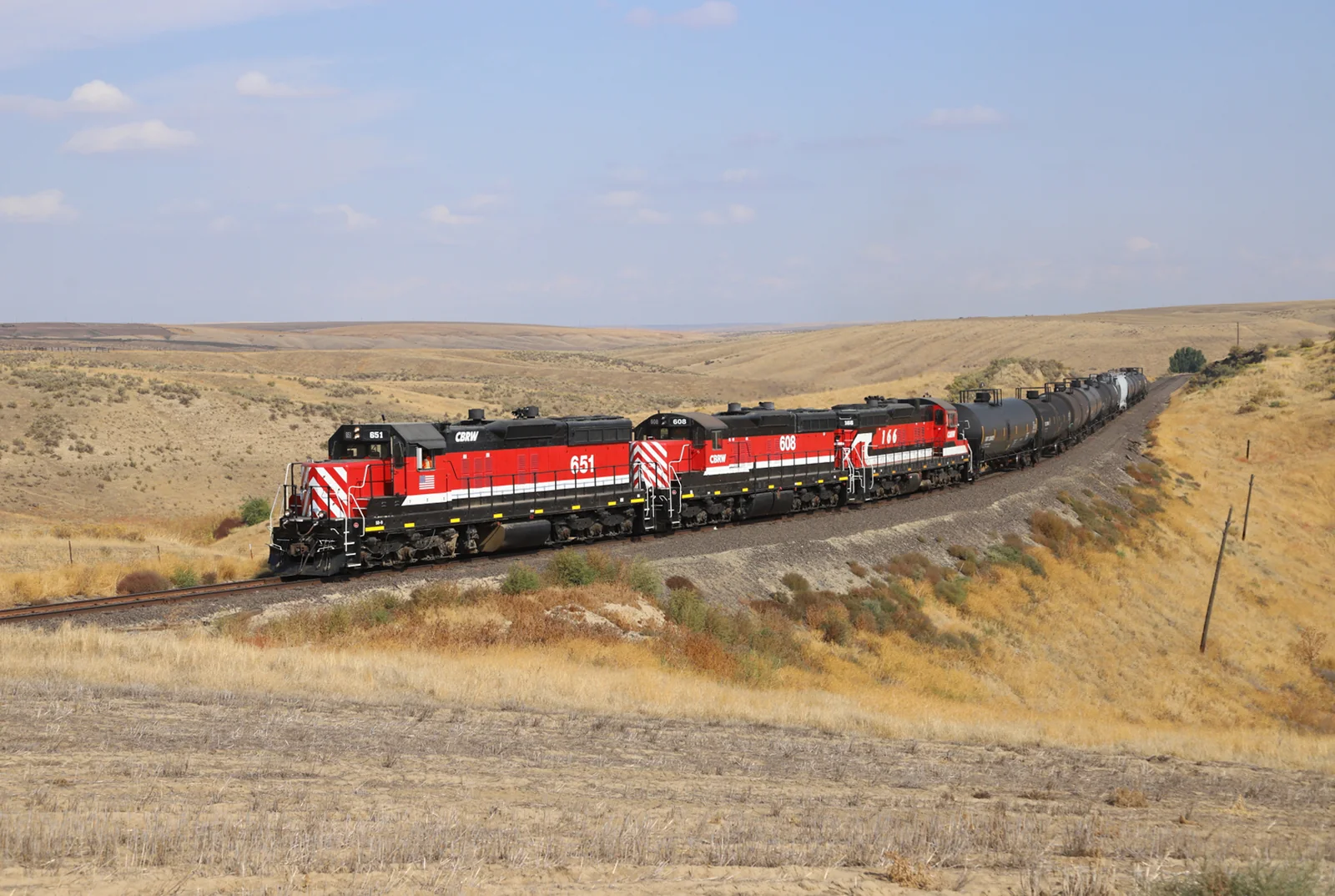

Make the next decision
easier to explain.
A useful plan connects the problem, the options, and the resources needed to deliver. Start with a clear record, then add detail where it changes the decision.
Document the need
Bring inspection findings, asset locations, and the operating problem together in a record you can trace.
Make condition data useful ↗Build a realistic scope
Capture quantities, access, dependencies, and quote exclusions before comparing project totals.
Organize a maintenance scope ↗Show the funding gap
Separate base estimates, uncertainty, and committed funding so the next conversation has a clear starting point.
Open the budget worksheet ↗Your scope.
Your assumptions.
A clearer total.
Build a simple project budget with your own quantities and costs. See the contingency and remaining funding need, then take the worksheet with you.
Open the capital budget worksheet ↗Itemize the work
Quantity × unit costAllow for uncertainty
Your contingencyCompare with funding
Committed funds onlyKeep a copy
Download CSV or printBudget arithmetic only. It does not assess track condition or select safety priorities.
From field knowledge
to a working plan.
Five connected guides cover capital planning, maintenance of way, track geometry data, tie replacement, and technology that fits the job.
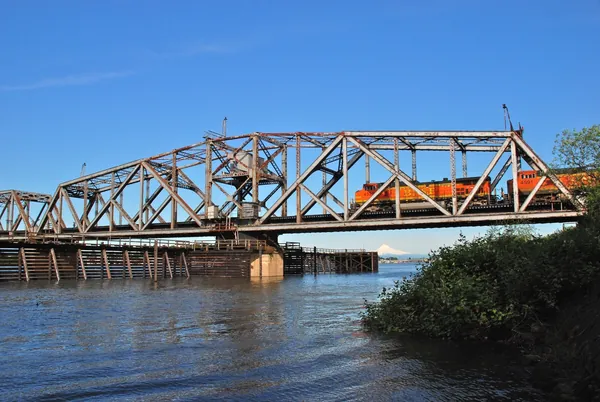
Build a capital plan your small railroad can use
Turn track needs, quotes and available funds into a practical small railroad capital plan with clear scopes, dependencies and documented assumptions.
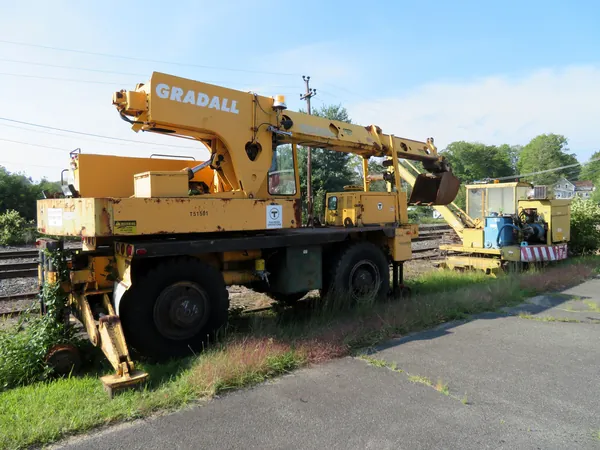
Make maintenance of way planning easier to act on
Organize small railroad maintenance of way work with clear locations, evidence, work packages, delivery constraints and completion records.
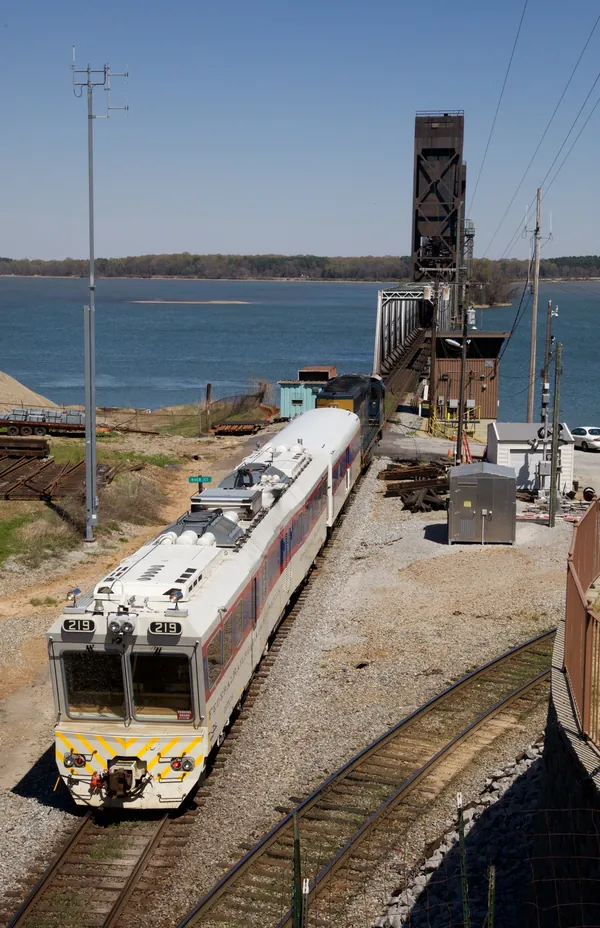
Turn track geometry data into a usable planning record
Learn how a small railroad can organize track geometry reports, location references, review records and follow-up without treating data as an operating decision.
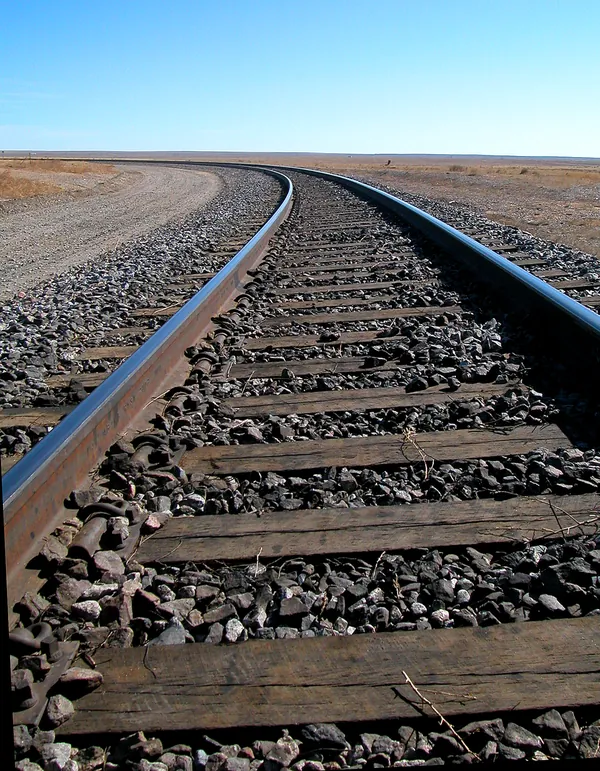
Plan a railroad tie replacement package with clear scope
Build a clearer railroad tie replacement estimate with reviewed quantities, material specifications, delivery access, quote exclusions and completion records.
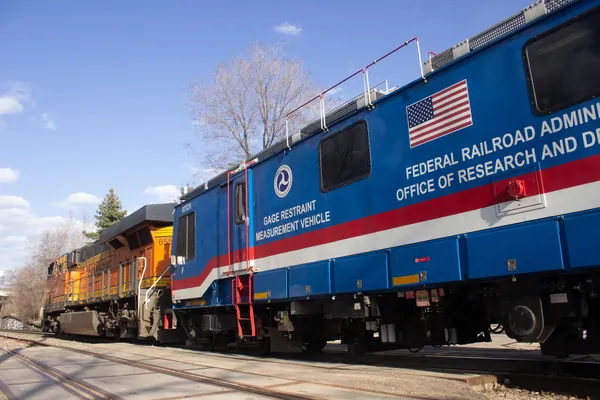
Choose railroad technology your small team can maintain
Evaluate technology for small railroad teams with a defined workflow, real sample data, complete ownership costs, export checks and measurable pilot results.
Five stations.
One complete picture.
Build your train by solving a fictional railroad planning challenge. Check the evidence, complete the scope, compare quotes, choose technology, and close the funding gap.
Play Budget Express ↗Three missions. About five minutes per round. No account or saved progress.
 ALL ABOARD BUDGET EXPRESS ↗
A few useful
answers.
Practical planning support, with a clear boundary between a budget worksheet and an engineering decision.
About this resource ↗Who is this resource for?
Small railroad teams, short line and regional operators, and industrial track owners who need to organize maintenance findings, project scopes, estimates, and funding decisions. Applicability of regulations depends on the operation and must be assessed separately.
What is a small railroad capital plan?
A documented set of investment needs, options, project scopes, cost assumptions, funding sources, and delivery steps. It connects the condition of an asset with a decision someone can review and approve.
Can I use the worksheet without an account?
Yes. All five tools run in your browser without registration or website saving. Download an Excel-compatible CSV or use Print / Save as PDF before leaving. The four prototypes also offer a downloadable project file you can reopen locally.
Does the worksheet decide what track work is safe to postpone?
No. It performs arithmetic on the quantities, costs, contingency, and funding you enter. It does not assess defects, set inspection intervals, approve operations, or decide whether required work can be deferred.
Is this a railroad association?
No. Railroad Wiki is an independent educational project. The resources directory links to existing associations, public agencies, and training organizations without implying affiliation.
What does micro railroad mean here?
We use small railroad and small rail operation to describe the audience in ordinary language. Micro railroad is not presented here as a formal regulatory classification or as a model railroad category.